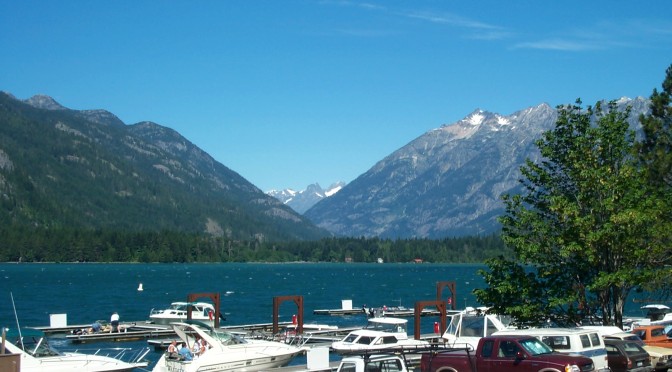
Remote, Independent, and Wilderness‑Bound
Stehekin, WA 98852
Stehekin sits at the head of Lake Chelan, where the lake’s long corridor ends and the North Cascades begin. It is an unincorporated community with no road connection to the outside world—reached by passenger ferry, floatplane, private boat, or on foot by trail. That single reality shapes how the community functions, how it has developed over time, and why the people who live here choose to stay.
Stehekin lies within the Lake Chelan National Recreation Area and is surrounded by national park and wilderness lands. While it draws visitors throughout the year, it remains a working community where a small permanent population lives with limited services, minimal infrastructure, and the kind of planning and self‑sufficiency that comes with boat‑ and trail‑based access.
Community Snapshot
Stehekin is often described as having about 85 year‑round residents, with a much larger seasonal presence in the summer months. There is no incorporated town government, and much of the surrounding land and many visitor services operate within the National Park Service framework of the Lake Chelan National Recreation Area.
There are no roads connecting Stehekin to the regional highway network. Within the valley, the main road runs upriver to High Bridge and serves as the corridor for local travel and the shuttle route. Vehicles and large freight typically arrive by barge, along with fuel, building materials, and supplies that support residents and small service businesses.
A Brief History of Stehekin
The upper end of Lake Chelan has served as an east–west passage through the North Cascades for thousands of years. The name “Stehekin” is based on a Salishan word commonly translated as “the way through,” and other related interpretations have also been recorded in different Salish languages.
Non‑Native settlement increased in the late 1800s as prospectors and miners entered the valley, followed by homesteading and small‑scale agriculture. A post office was established in 1892.
One of the most visible legacies of early settlement is the Buckner Homestead Historic District. The site began with homestead activity starting in 1889 and was sold to the Buckner family in 1910. The Buckners expanded the property into a working orchard in the early 1910s. Today, the National Park Service maintains the Buckner Homestead Historic District as an interpretive historic landscape in the Stehekin Valley.
Lake Chelan: The Lifeline
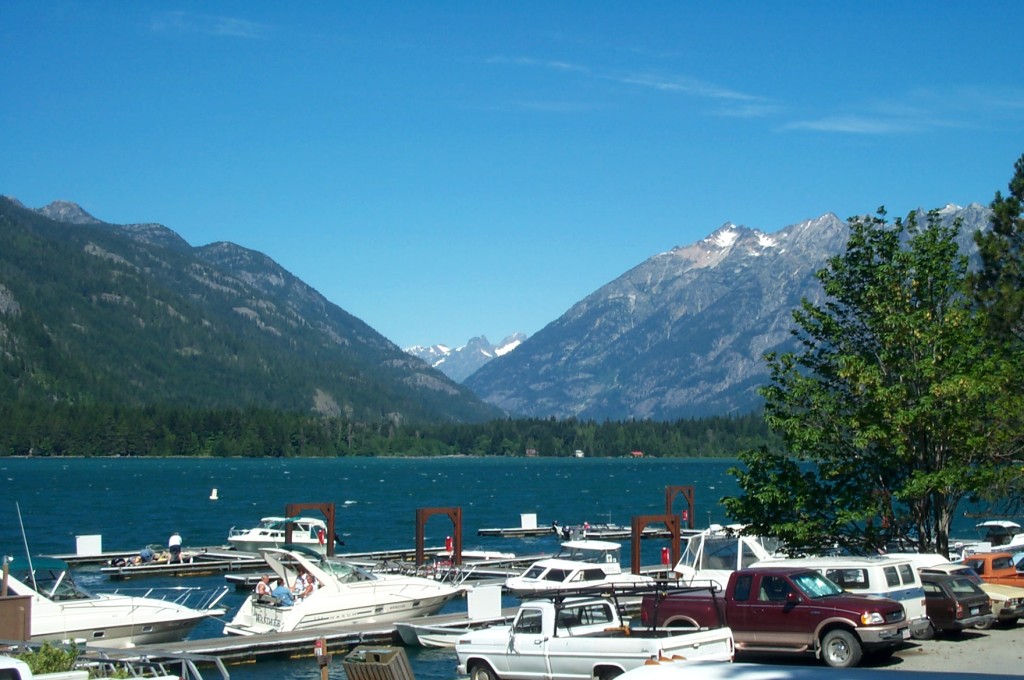
For Stehekin, Lake Chelan is not just scenery—it is the primary transportation corridor. Passenger ferry service at Stehekin Landing is the most common way people, goods, and essential supplies move between the upper valley and the lower lake. Without that lake route, Stehekin would be effectively isolated from everyday services and commerce.
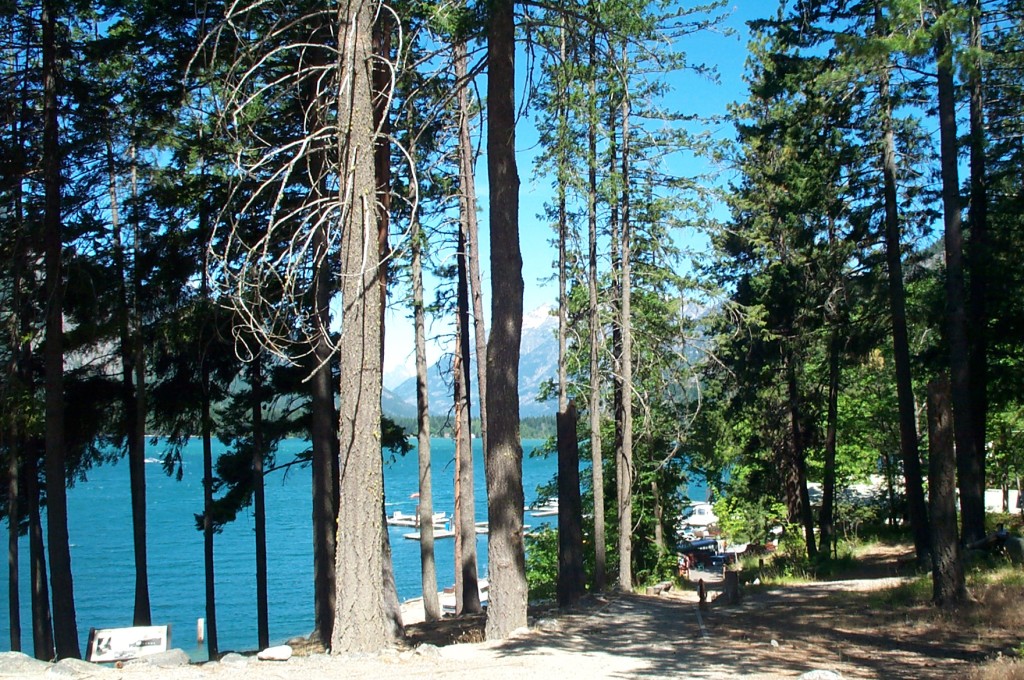
The upper end of Lake Chelan is notably different from the lake’s developed southern shore. Steep forested slopes, limited private development, and surrounding wilderness lands give the Stehekin area a character more closely aligned with the North Cascades than with the resort communities downlake. Stehekin Landing functions as the community’s practical hub for arrivals, freight transfer, and basic visitor orientation.
Wilderness Access and Visitor Life
Stehekin’s position at the edge of a major wilderness complex makes it a significant waypoint for hikers and backcountry travelers. The area connects to a wide network of valley and mountain trails, and Stehekin is used as an access point for deeper travel into the North Cascades.
Key landmarks and visitor resources include Rainbow Falls, a 312‑foot waterfall along the Stehekin Valley Road; the Golden West Visitor Center for park information and permits; the Buckner Homestead Historic District; and the Stehekin Pastry Company, a long‑standing local stop for residents and visitors.
Seasonal activity peaks in summer, when hikers, boaters, photographers, and day visitors arrive by ferry and floatplane. Winter brings a smaller number of visitors focused on quiet travel and snow‑season conditions in the surrounding terrain.
Life at the Edge of the Wilderness
What distinguishes Stehekin is not only its remoteness, but what that remoteness requires and preserves. Residents live without road access to the outside world, within a landscape shaped by public lands and long‑term protection. The result is a community with a strong self‑reliant character and a daily rhythm built around lake travel, seasonal cycles, and limited infrastructure.
Stehekin is neither a resort town nor a typical rural service center. It is a small permanent settlement at the intersection of the lake, the valley, and a wilderness boundary that begins where the road ends everywhere else around Lake Chelan.
Frequently Asked Questions
How do you get to Stehekin?
Stehekin is accessible by passenger ferry, floatplane, private boat, or on foot by trail. There is no road connection to the outside world. The passenger ferry from the town of Chelan travels the full length of Lake Chelan and takes approximately four hours.
Can you drive to Stehekin?
No. Stehekin has no road connection to the regional highway network. All access is by water, air, or trail.
How many people live in Stehekin?
Stehekin is often described as having about 85 year-round residents. The community grows significantly during summer months when visitors, hikers, and seasonal travelers arrive by ferry and floatplane.
What is there to do in Stehekin?
Stehekin is a base for hiking, backcountry travel, and wilderness access into the North Cascades. Key destinations include Rainbow Falls — a 312-foot waterfall along the Stehekin Valley Road — the Buckner Homestead Historic District, the Golden West Visitor Center for park information and permits, and the Stehekin Pastry Company. Seasonal activity peaks in summer.
Where does the name “Stehekin” come from?
The name is based on a Salishan word commonly translated as “the way through.” Other related interpretations have been recorded in different Salish languages.
What is the Buckner Homestead?
The Buckner Homestead Historic District is an interpretive historic landscape maintained by the National Park Service in the Stehekin Valley. Homestead activity began in 1889. The Buckner family purchased the property in 1910 and expanded it into a working orchard in the early 1910s.
What public lands surround Stehekin?
Stehekin lies within the Lake Chelan National Recreation Area and is surrounded by national park and wilderness lands, including the broader North Cascades National Park Complex.
Is there lodging in Stehekin?
Yes. Stehekin has a small number of lodging options for visitors to the upper lake. Stays require advance planning and coordination with the ferry schedule and are best suited to visitors seeking a remote, nature-immersive experience.