
Southern Gateway, Lakeside Resort Town, and the Heart of the Valley
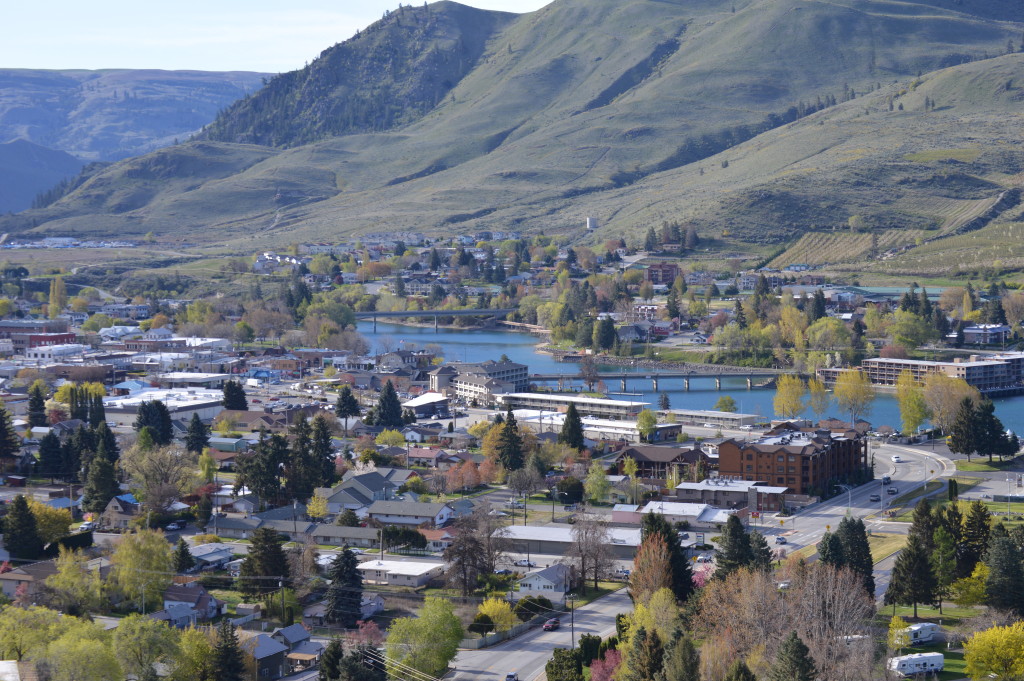
Set at the sun‑washed southern gateway to Lake Chelan, the City of Chelan is where small‑town character meets one of the most spectacular natural settings in the Pacific Northwest. With a walkable downtown, lakeside parks, historic neighborhoods, and a year‑round calendar of events, Chelan blends resort energy with a deeply rooted sense of community.
While Chelan is widely known as a premier vacation destination—famous for boating, wine tasting, and lakefront living—it is also a vibrant hometown for families, retirees, and entrepreneurs who are drawn to its pace of life, natural beauty, and strong local connections.
Community & Census Snapshot
Chelan is a compact yet dynamic city with a 2020 Census population of 4,222 residents, spread across approximately 6.7 square miles. The community has a median age of about 46.7, reflecting a mix of working families, long‑time residents, and active retirees.

The city’s economy reflects its surroundings—tourism, hospitality, agriculture, and an expanding wine industry play central roles—while median household income sits at approximately $71,996, consistent with regional averages. Chelan’s population grows seasonally as visitors and second‑homeowners arrive, adding to the lively atmosphere that defines much of the year.
A Brief History of Chelan
Human history around Lake Chelan stretches back more than 10,000 years, when Indigenous peoples—known today as the Chelan, an Interior Salish group related to the Wenatchi—settled along the lake’s fertile shores. The name “Chelan” itself comes from a Salish word meaning “deep water,” an apt description for the lake that shaped the region’s identity.
Non‑Native settlement began in the late 1880s, driven by logging, mining, and agriculture, with early tourism soon following. The construction of the Lake Chelan Dam in 1927 transformed the lake’s water level and solidified Chelan’s role as a regional hub for irrigation, hydropower, and recreation. Over time, as mining and timber declined, Chelan evolved into the scenic resort community it is today—supported by orchards, vineyards, wineries, and tourism.
Lake Chelan: The Heart of It All
Lake Chelan is the defining presence of the valley—a 50.5‑mile‑long, glacially carved lake that resembles a fjord more than a typical inland waterway. With a maximum depth of 1,486 feet, it is the third deepest lake in the United States and the deepest in Washington State.
The lake’s crystal‑clear waters are fed primarily by the Stehekin River and Railroad Creek, with steep forested slopes rising dramatically from the shoreline along much of its length. At the southern end, Chelan enjoys easy lake access, public beaches, marinas, and waterfront parks, while the northern end leads to the remote community of Stehekin and the North Cascades National Park Complex.
Whether viewed from a boat, a vineyard terrace, or a lakeside trail, Lake Chelan is not just scenery—it is the cultural, recreational, and emotional center of life in the Chelan Valley.
Film History: Lassie and the Lake Chelan Valley
Both Lassie Come Home (1943) and The Courage of Lassie (1946) were filmed on location in Washington State’s Lake Chelan Valley, using the area’s dramatic landscapes to stand in for rural Britain and the Scottish Highlands.
Production records confirm that Lassie Come Home included filming at Lake Chelan, though available sources do not identify specific scenes as having been shot in the Stehekin community or the Lucerne Basin.
Its follow‑up film, The Courage of Lassie, was filmed more extensively in the upper Lake Chelan Valley, with documented locations along Railroad Creek near Holden Village, an area geographically close to Stehekin and part of the greater Lake Chelan landscape.
Together, the two films firmly connect the Lake Chelan Valley to classic Hollywood cinema, a legacy that continues to be part of the region’s cultural history.