
Communities of the Lake Chelan Valley
The Lake Chelan Valley is made up of several distinct communities — including Chelan, Manson, Chelan Falls, Stehekin, Lucerne, and Holden Village — each shaped by its relationship to the lake, the surrounding landscape, and the realities of access and geography.
They range from full-service lakeside towns to remote settlements reachable only by boat or trail. What connects them is place — Lake Chelan, the surrounding mountains, and the valley’s transportation corridors have long shaped how people live, move, and connect here.
Lower Valley Communities
Chelan — The Civic and Commercial Center
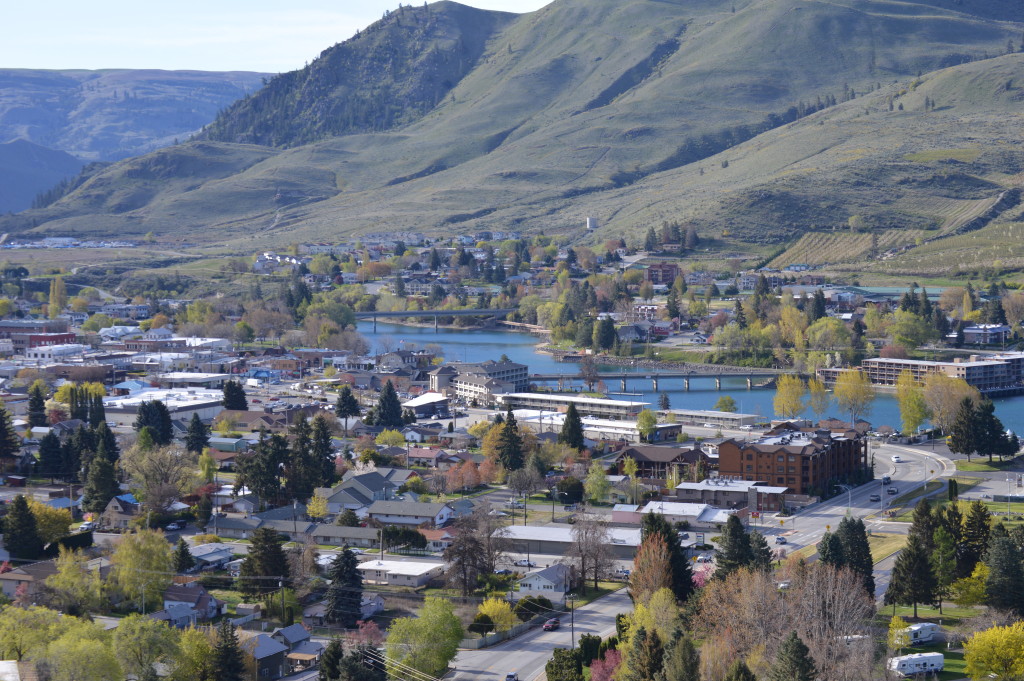
Chelan sits at the southern end of Lake Chelan and functions as the valley’s primary hub. It is home to local government, schools, medical services, and the widest range of housing, businesses, and year-round amenities in the valley.
While Chelan is widely known as a visitor destination, it is also a working town with established neighborhoods, civic institutions, and a strong local identity.
Manson — A Lakeside Community on the North Shore

Manson is located on the north shore of Lake Chelan, several miles up-lake from Chelan. It has a smaller footprint and a more relaxed pace, shaped by agriculture, wineries, and its close connection to the water.
Manson functions as both a residential community and a seasonal gathering place, with a walkable core and strong ties to the surrounding landscape.
Chelan Falls — Where River and Valley Meet
Chelan Falls sits at the confluence of the Chelan and Columbia Rivers. It is a smaller, more rural community with deep ties to river systems, power generation, and the working landscape of north-central Washington.
While closely connected to the rest of the valley, Chelan Falls maintains a quieter profile and a distinct geographic identity.
Upper Lake & Remote Communities

Beyond Moore Point, Lake Chelan narrows and road access ends. The upper portion of the lake is defined by boat-only travel, limited services, and extensive public land. Communities here are shaped as much by access and land management as by population.
Stehekin — Remote, Independent, and Wilderness-Bound
Stehekin is located at the head of Lake Chelan, where the lake gives way to the North Cascades. It can only be reached by boat, plane, or trail, and sits within the Lake Chelan National Recreation Area.
Stehekin serves as both a small residential settlement and a gateway to the surrounding wilderness areas.
Lucerne — A Landing, a Trailhead, and a Transition Point
Lucerne is a ferry landing and access point on the upper lake, located at the mouth of Railroad Creek. It has never functioned as a traditional town.
Instead, Lucerne serves as a place of transfer — where lake travel connects to inland roads, trails, and backcountry routes, including access to Holden Village and the mountainous interior.
Holden Village — Purpose-Driven and Communal
Holden Village is located several miles inland from Lake Chelan, accessed via Lucerne. Originally a copper mining town, it now operates as a retreat and learning center organized around communal living and seasonal programs.
Holden Village is not a general-access community and does not function as a commercial destination, but it remains an important cultural and historical presence in the upper valley.
How the Communities Fit Together
The Lake Chelan Valley functions as a system rather than a single destination.
Chelan serves as the primary service center. Manson and Chelan Falls each reflect different relationships to agriculture, shoreline, and river systems. Farther up-lake, Stehekin, Lucerne, and Holden Village are defined by remoteness, public land, and limited access.
Together, these communities tell a broader story about geography, movement, and how people adapt to place — a story that continues to evolve.